



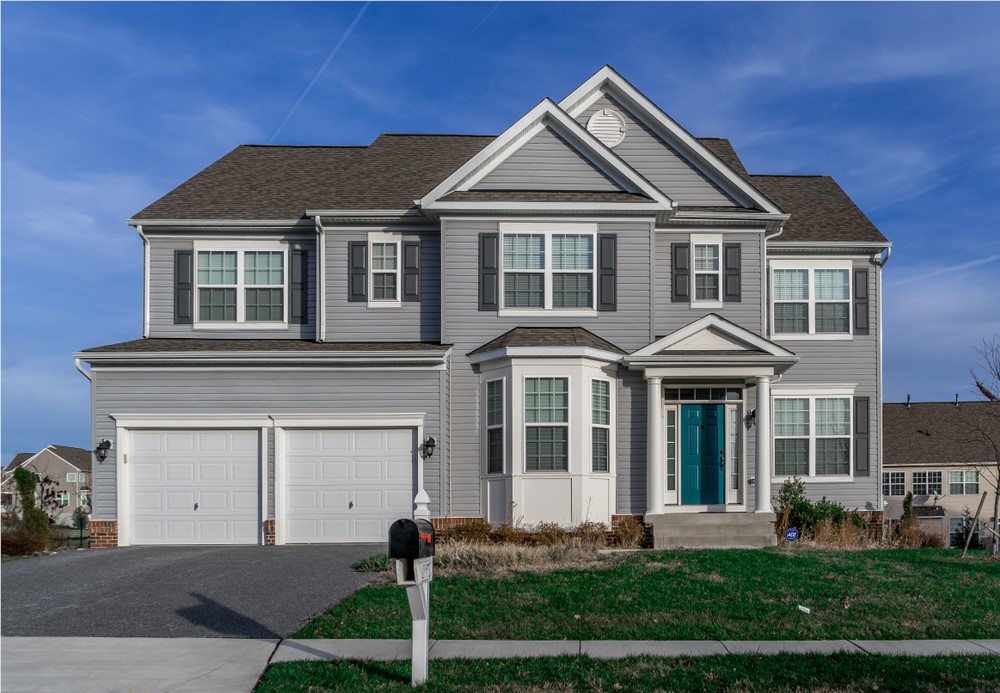
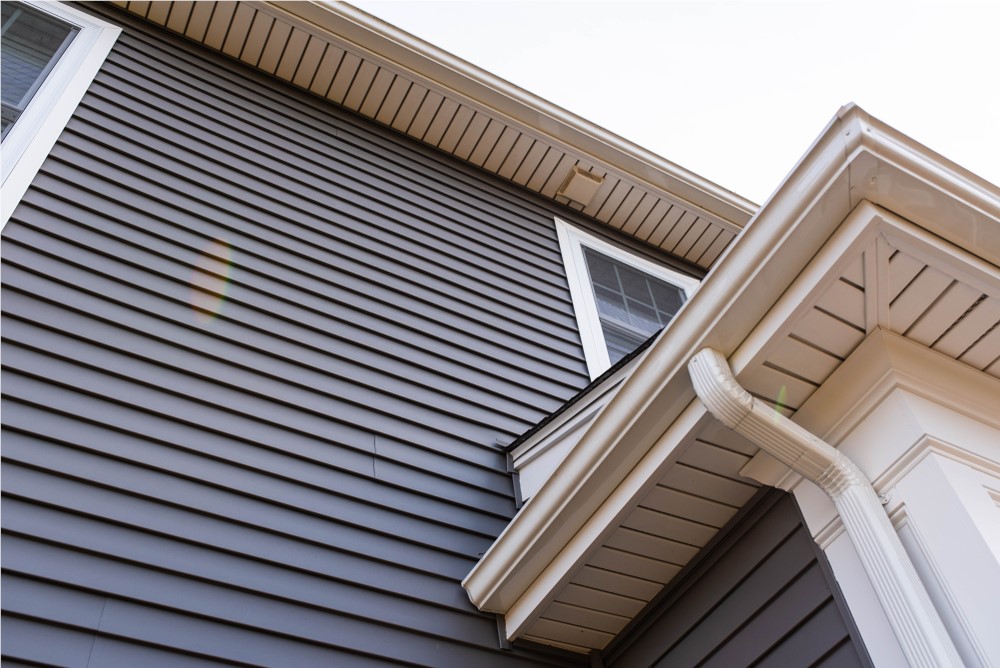
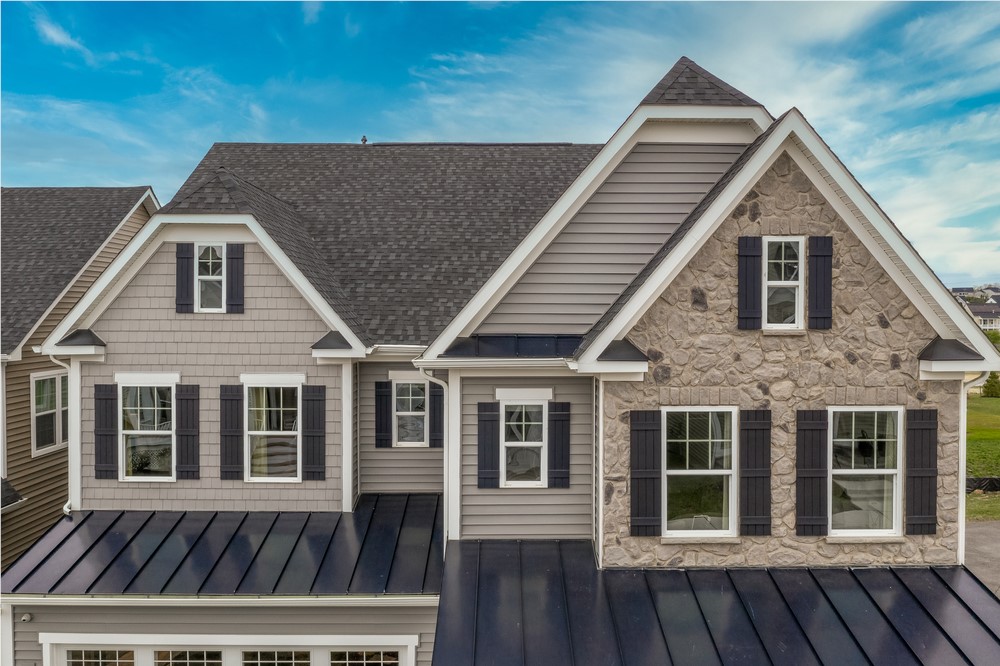
At Advanced Metal Roofing, we provide professional winter siding installation across New England. Our team understands how to work in cold conditions and install siding systems that perform reliably in freezing temperatures.
Siding Materials That Are Not Ideal for Winter Installation
Not all siding products are suited for cold weather siding installation. Some materials can fail during installation or perform poorly if installed in low temperatures.
Vinyl Siding
- Becomes brittle in cold temperatures and can crack easily
- Expands and contracts significantly, requiring extra spacing that can be difficult to manage in winter
- Higher risk of breakage during cutting and fastening
Products That Can Be Installed in Dry Cold Conditions
When moisture, not temperature, are bigger considerations, then it's often precipitation that impacts the installation.
Engineered Wood Siding
- Sensitive to moisture during installation
- Wet conditions can impact performance if not handled carefully
Because of these limitations, many homeowners looking into winter siding installation may benefit from choosing a more moisture-resistant material, depending on snowfall and the freeze-thaw cycle.
Best Siding Materials for Cold Weather Installation
For reliable performance during winter siding replacement, you need materials that remain stable, durable, and easy to install in low temperatures.
Metal siding and Fiber Cement stand out as the best options for cold weather siding installation in New England.
Why Metal Siding Installs Well in Winter
- Does not become brittle in freezing temperatures
- Minimal expansion and contraction compared to vinyl
- Mechanically fastened rather than dependent on adhesives
- Resistant to moisture, snow, and ice
- Durable against harsh winter conditions
Metal siding provides immediate protection once installed, making it ideal for urgent winter siding replacement projects.
Why Fiber Cement Siding Installs Well in Winter
Fiber cement siding installs well in cold weather mostly because it’s dimensionally stable and not very sensitive to temperature compared to other siding materials like vinyl or wood.
- Pre-finished products handle cold well
- Fiber cement experienced minimal expansion and contraction
- It is not affected by moisture swings like wood
- Fastener performance is consistent
- No reliance on temperature-sensitive adhesives
Fiber cement installs well in cold weather because it stays stable—no major thermal movement, no moisture-driven distortion, and no reliance on temperature-sensitive materials—making it much more forgiving than vinyl or wood when temperatures drop.
Cold Weather Siding Installation Considerations
Cold winter weather creates several challenges for siding installation, primarily around material performance and jobsite conditions. Some materials—especially vinyl—become brittle and prone to cracking, while others can expand later if installed too tightly in the cold.
- Sealants and adhesives may fail to bond or cure properly, and moisture from snow, ice, or frost can interfere with proper installation and lead to long-term damage.
- Cold temperatures also make cutting and handling materials more difficult and can slow down crews due to safety and dexterity concerns.
- These issues are managed by adjusting installation practices and material choices. Contractors allow for proper expansion gaps, avoid tight fastening, and often favor more stable materials like fiber cement.
- Surfaces are cleared and dried before installation, and proper tools and safety gear help maintain quality and productivity.
With these precautions, siding can be installed effectively even in winter conditions.
How Installing Siding in the Winter Is Different
Winter siding installation requires additional preparation and expertise compared to warmer months.
Material Preparation
- Materials are stored properly to prevent brittleness or moisture exposure
- Panels are handled carefully to maintain structural integrity
Surface Preparation
- Walls are inspected and prepped to ensure a clean, dry surface
- Snow and ice are removed before installation begins
Precision Installation
- Fastening techniques are adjusted to allow for temperature-related movement
- Extra care is taken to ensure tight seals and proper alignment
Weather-Aware Scheduling
- Projects are planned around daylight and weather conditions
- Work is completed efficiently to reduce exposure to cold temperatures
Benefits of Winter Siding Installation
Choosing siding installation in cold weather can offer several advantages:
- Immediate protection from ongoing winter damage
- Prevents moisture intrusion and heat loss
- Avoids peak-season scheduling delays
- Prepares your home for improved energy efficiency before spring
Why Choose Advanced Metal Roofing for Winter Siding Installation
Advanced Metal Roofing is a trusted contractor for cold weather siding installation throughout New England. Our experience working in winter conditions allows us to deliver high-quality results even in freezing temperatures.
Schedule Your Cold Weather Siding Installation Today
Advanced Metal Roofing provides expert installing siding in the winter using durable metal siding systems built for New England conditions.