



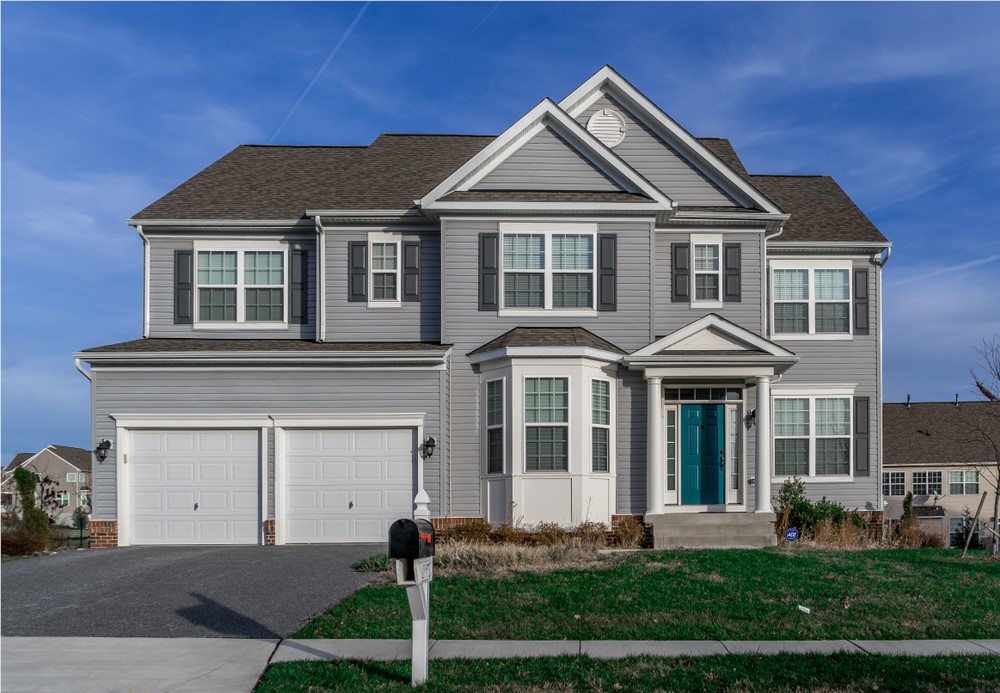
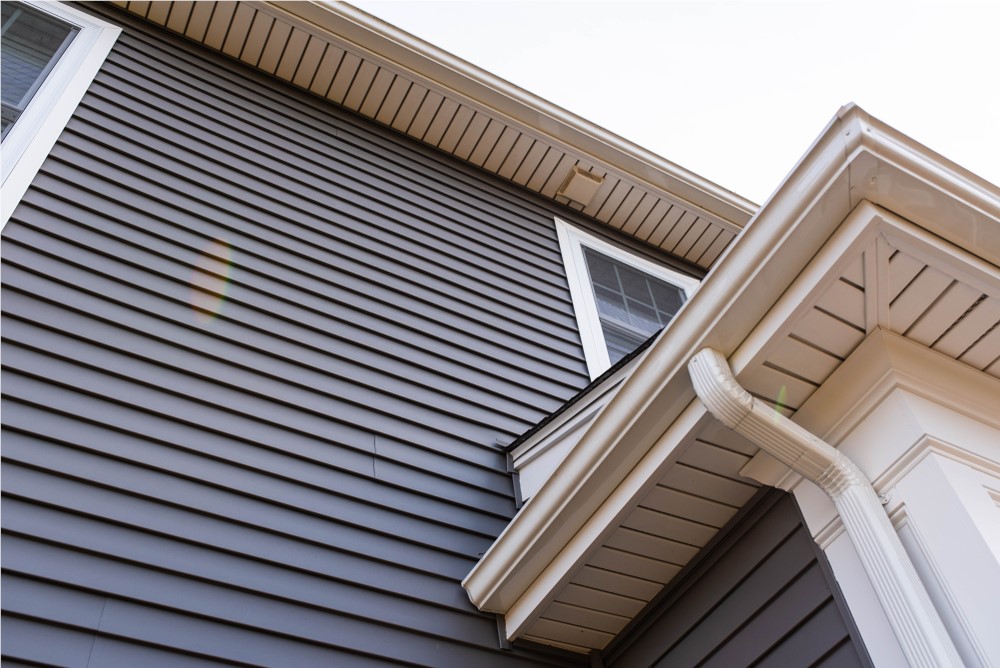
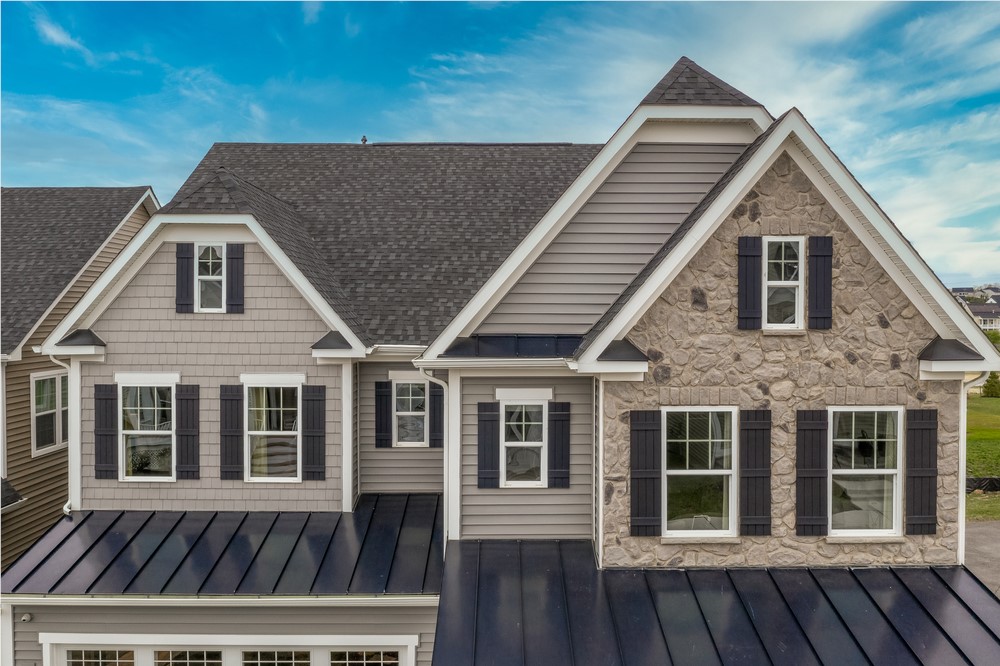
New England winters bring freezing temperatures, snow, and harsh weather that can take a toll on your home’s exterior. If your siding is damaged or failing, you may be wondering: can siding be installed in winter?
The answer is yes. With the right materials and an experienced contractor, cold weather siding installation is not only possible but often necessary to protect your home.
Can You Install Siding in Cold Weather?
Homeowners often ask, is it ok to install siding in the winter? The answer depends on the type of siding being used and how it is installed.
Siding installation in cold weather requires careful planning, proper material handling, and experienced crews. When done correctly, winter siding replacement can be just as effective as installation during warmer months.
Cold Weather Siding Installation Temperature Considerations
There is no single rule for cold weather siding installation temperature, but certain materials have clear limitations.
Some siding products become brittle, contract excessively, or require adhesives that do not perform well in freezing conditions. This is why choosing the right siding material is critical when installing siding in the winter.
Siding Installation Expertise from the Professionals
Our experts know which materials install well in the cold New England winters. Choose siding materials that remain dimensionally stable and don’t become brittle or moisture-sensitive in low temperatures, such as fiber cement or metal. It’s more than the siding type. The installation method, adhesives and fasteners, and other factors play a part in product selection.
Good Cold Weather Installation Choices
Fiber cement and, to a lesser extent, engineered wood siding are well-suited for cold-weather installation because they remain dimensionally stable and resist moisture-related movement. They don’t become brittle in low temperatures and rely mostly on mechanical fastening rather than temperature-sensitive adhesives, making them predictable and reliable even in winter conditions.
Metal siding performs well in cold-weather installation because it stays structurally consistent and isn’t damaged by low temperatures. Unlike vinyl, it doesn’t become brittle, and unlike wood, it doesn’t absorb moisture, swell, or split. It maintains its shape and strength in freezing conditions, making handling and fastening predictable even in winter.
Poor Cold Winter Installation Selections
Vinyl and traditional wood siding are more problematic in the cold. Vinyl becomes brittle and prone to cracking, while also requiring precise spacing to account for later expansion. Wood can shrink, swell, or split due to moisture and temperature swings.
Both materials are more sensitive to handling, fastening, and environmental conditions, making cold-weather installation riskier and more error-prone.
What Sets Our Team Apart
- Extensive experience with winter siding replacement
- Expertise in metal siding systems designed for cold climates
- Skilled crews trained for safe and efficient winter installation
- Deep understanding of New England weather challenges
- Commitment to durability, performance, and craftsmanship
Schedule Your Cold Weather Siding Installation Today
If you are dealing with damaged siding and wondering can siding be installed in winter, the answer is yes with the right materials and contractor.
Contact our team today to schedule your consultation and protect your home with siding that performs in even the coldest weather.